

Car battery testing and replacement, tested before we replace
Car battery testing and replacement at Turbo & Diesel. We test 12V batteries on calibrated analysers and check the charging system before we replace anything, then fit the right battery for petrol and diesel cars, utes and vans, with a free written quote first. MTA member workshop on Kahikatea Drive in Frankton, over twenty years on the tools.
4.6 from 53 Google reviews 20+ years 10,000+ vehicles serviced
Why car battery testing & replacement is done differently here
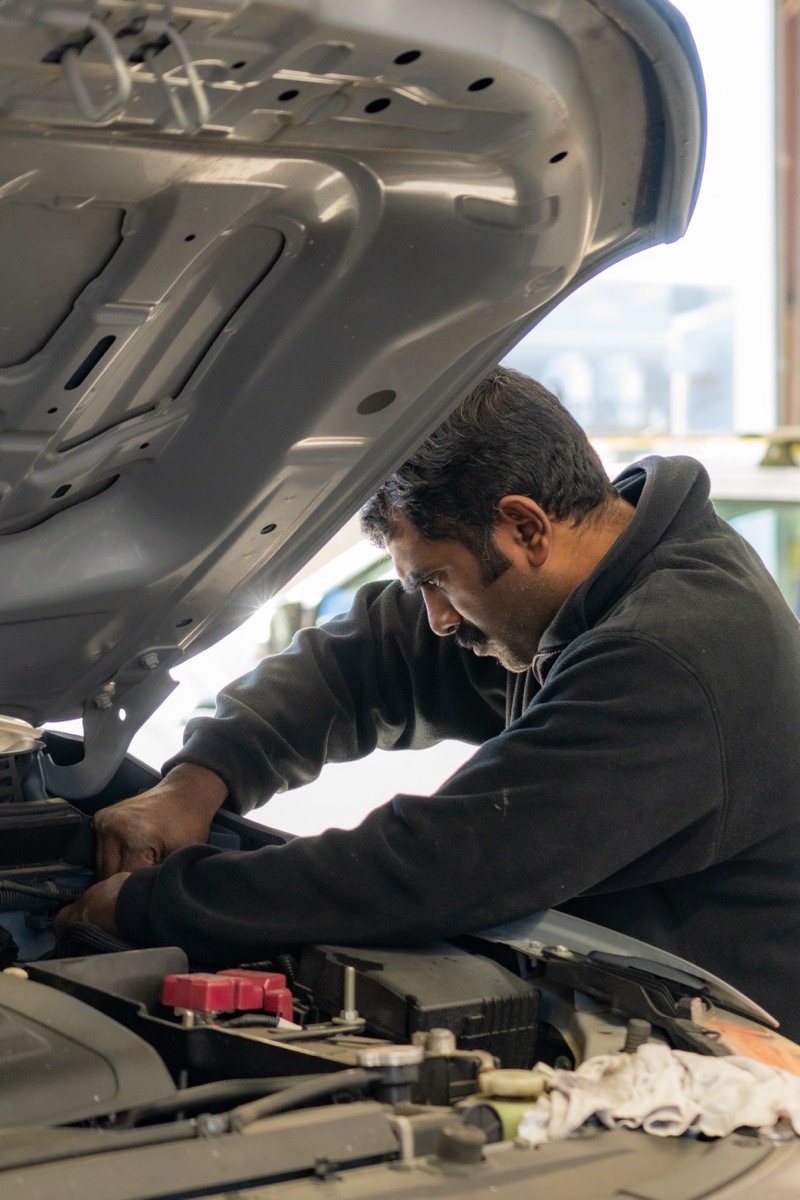
Real photos from the floor on Kahikatea Drive. Same team, same hoists, same standards on every job, from a quick check through to a full strip-down.







What you get when you book this service
10 checks performed on every visit
- 12V battery state-of-health and cold-cranking-amp test under load on a calibrated analyser
- Alternator output, voltage drop and parasitic-draw testing for charging-system faults
- Starter motor draw test for hard-starting and slow-crank complaints
- Replacement 12V battery supply for conventional, AGM and EFB start-stop systems
- Battery terminal, clamp and earth-strap inspection and cleaning
- BMS reset and battery registration for start-stop vehicles that require it
- Charging-system fault diagnosis where a battery is failing early
- Auxiliary and dual-battery checks for utes, vans and camper setups
- Pre-purchase battery and charging-system check on used vehicles
- Certified recycling of every old 12V battery through licensed channels
Want car battery testing & replacement done right?
Phone the workshop or send a quick form, whichever suits you. We come back with a clear next step.
4.6 from 53 Google reviews 20+ years 10,000+ vehicles serviced
Why Hamilton trusts us with car battery testing & replacement
-
Tested before replaced
We test the battery and the charging system on calibrated equipment before quoting. A new battery in a car with a charging fault just fails again.
-
Charging-system diagnosis
A battery that keeps going flat is often a symptom. We check alternator output, voltage drop and parasitic draw so the real cause is found.
-
Right battery, right fitment
Conventional, AGM and EFB start-stop batteries are not interchangeable. We fit the correct type and capacity and register it where the car needs it.
-
Utes, vans and dual batteries
Work utes, vans and campers often run a second battery. We check both batteries, the isolator or DC-DC charger linking them, and the wiring between.
-
Honest answers
If your battery has life left, we will tell you. If the alternator or a parasitic draw is the real fault, we find it rather than selling you a battery.
-
MTA workshop, twenty-plus years
An MTA member workshop on Kahikatea Drive in Frankton, with over twenty years diagnosing 12V battery and charging faults across the Waikato.
Simple, transparent process
- 01
Symptoms and scan
We log your symptoms, scan the vehicle with a manufacturer-level tool where needed, and read live data, voltage and cold-cranking amps on the 12V battery.
- 02
Test under load
The 12V battery is tested on a calibrated analyser under load, and the alternator, starter draw and any parasitic draw are checked.
- 03
Quote the right repair
We explain what is actually failing, a tired battery, a charging-system fault or a parasitic draw, and give you a free written quote before any work goes ahead.
- 04
Fit and verify
Battery fitted, terminals cleaned and the BMS registered where required, then a charging check confirms the system is back to manufacturer behaviour.
Trained to the standards behind your vehicle



Everything you should know about car battery testing & replacement
A workshop perspective on what's involved, how we run the job, and what shapes the final cost.
Why battery work in Hamilton belongs in a proper workshop
The 12V battery looks like the simplest part of the car, and that is exactly why it gets the laziest treatment. A battery shop reads voltage on a battery that has just been driven, calls it fine, and sends you off, or sells you a new one without ever asking why the old one died. Both miss the point.
A flat battery is often a symptom of a charging-system fault or a parasitic draw, and a slow crank can be the starter motor rather than the battery. Diagnose the wrong part and you have either replaced a healthy battery or fitted a new one straight into a fault that will flatten it within weeks. The cars that come to us most often are ones that have already been through one or two batteries with the underlying cause never found.
Car battery testing in Hamilton: what we cover
12V starter-battery work covers every vehicle type: conventional flooded lead-acid, AGM (absorbed glass mat), and EFB (enhanced flooded battery) types used on start-stop systems. We test on calibrated analysers that read state of health, cold-cranking amps and voltage under load, not a quick voltmeter check on a battery that has just been driven.
Charging-system testing covers:
- Alternator output and voltage drop across the main cables
- Drive belt and tensioner condition
- Parasitic draw on vehicles that go flat overnight
- Starter motor draw, to isolate whether a slow crank is the battery or the starter itself
Where the test points past the battery to the alternator or starter, our alternator and starter repair service picks up the job in the same workshop.
Car battery replacement
New 12V batteries are fitted to the correct type and capacity, terminals and earth straps cleaned and checked, and the battery registered to the BMS where start-stop vehicles require it. The old battery is recycled through a licensed channel.
We also handle auxiliary and dual-battery setups on utes, vans and campers, checking both batteries, the isolator or DC-DC charger that links them, and the wiring between them. Pre-purchase battery and charging-system checks are available as a clear written summary.
Not sure whether your battery is near the end? Our guide on how long car batteries last in NZ walks through the warning signs and what wears a battery out early.
How a battery job works at our Frankton workshop
You phone (07) 847 3339 with the symptoms: a slow crank, a battery that keeps going flat, a charge warning light, or a no-start after a week parked up. We book a diagnostic slot, usually around an hour.
On the day, the 12V battery is tested first on the calibrated analyser under load, then the charging system is checked: alternator output, voltage drop, drive belt condition, and a parasitic-draw test where the car has been going flat while parked. If the slow crank could be the starter, a starter draw test settles it.
You get a clear explanation of what is actually faulty before any work is approved, and a free written quote where parts are needed. Once authorised, the battery is fitted, terminals and earth straps are cleaned, the BMS is registered where the car requires it, and a final charging check confirms the system is back to manufacturer specification before you collect.
What affects the cost of a car battery replacement
We quote every battery job specifically, and we do not publish prices, because the right answer depends on your vehicle and what the test actually finds. These are the things that change the job:
- Battery type: conventional lead-acid is the simplest; AGM and EFB start-stop batteries are a step up, and vehicles requiring BMS registration add a short labour step
- Battery capacity and size: a small hatchback and a large diesel ute take very different batteries
- Access: some batteries sit under a seat or in the boot rather than in the engine bay
- Charging-system faults: diagnosed and quoted separately; an alternator, drive belt or parasitic draw each carry their own work
- Diagnostic time: a straightforward flat battery is quick; an intermittent parasitic draw can take time to trace
For a free written quote on your specific vehicle, call (07) 847 3339 or use the contact form.
Hamilton and Waikato coverage
Our workshop is at 281 Kahikatea Drive in Frankton, easy to reach from Hillcrest, Rototuna, Te Rapa, Chartwell and Glenview, and three minutes from the Hamilton ring road.
Battery customers come from across the Waikato: commuters from Cambridge and Te Awamutu, ute and van owners from Morrinsville and Huntly, and families from Ngaruawahia and out to Raglan. Short-trip commute cars are the ones we see most for early 12V failure, because the alternator never gets a long enough run to fully recharge. The workshop is open Monday to Friday, 7:30 AM to 4:30 PM, and pre-purchase battery checks can usually be fitted in at short notice.
Last reviewed and updated
Common Questions
Everything you might want to know before booking.
How long does a 12V car battery last in NZ?
Three to five years is typical, though heat, short trips and charging faults can wear a battery out early. Our blog guide, How Long Do Car Batteries Last in NZ?, covers what shortens battery life and how to stretch it.
What are the signs my 12V car battery is failing?
Slow cranking, lights dimming at idle and repeated jump-starts are the usual early signs, and a short test on a calibrated analyser confirms it. The full list of warning signs is in our car battery guide on the blog.
How much does a new car battery cost?
It depends on your vehicle. A conventional battery for a small hatchback is a simpler job than an AGM or EFB start-stop battery that has to be registered to the car, and battery size, access and any charging fault the test finds all change the job. We test first and give you a free written quote for your vehicle. Call (07) 847 3339.
Why does my battery keep going flat?
A battery that keeps going flat usually points at one of three things, a battery that has lost capacity, an alternator that is not charging properly, or a parasitic draw pulling current while the car is parked. We test all three so you are not buying a new battery into a fault that will flatten that one too.
What is a parasitic draw?
A parasitic draw is current being pulled from the battery while the car is switched off and locked. A small standby draw is normal, but a stuck relay, a faulty module, an aftermarket accessory or a glovebox light that never goes out can flatten a battery in days. We measure the draw and trace it circuit by circuit.
What is a start-stop battery and is it different?
Yes. Start-stop vehicles fit AGM (absorbed glass mat) or EFB (enhanced flooded battery) types built to handle the much higher cycle count of repeated engine restarts at traffic lights. Fitting a conventional battery to a start-stop car will fail quickly and may cause warning lights. Most start-stop vehicles also need the new battery registered to the BMS.
Do I need to register a new battery?
Many start-stop vehicles require the new battery to be registered to the battery management system so the charging strategy matches the new battery. Skip the registration and the alternator can over or undercharge the battery, shortening its life. We register the battery as part of the fitment where the vehicle needs it.
Can a bad alternator damage my battery?
Yes. An alternator charging too low never fully replenishes the battery, so it slowly discharges and sulfates. One charging too high cooks the battery and shortens its life. Both look like a battery problem from the driver's seat, which is why we test the alternator output and voltage every time.
My car cranks slowly, is it the battery or the starter?
It can be either. A weak battery and a tired starter motor both produce a slow, laboured crank. We test the battery state of health first, then run a starter draw test under load. That tells us whether the starter is pulling normal current or dragging the battery down itself.
Can you test the battery before I buy a used car?
Yes. A pre-purchase battery and charging-system check tells you whether the battery has life left, whether the alternator is charging correctly, and whether there is a parasitic draw. It is a quick, useful check that can flag a hidden cost before you sign.
What happens to my old battery?
Every old 12V battery is recycled through a licensed channel, never landfilled. Lead-acid batteries are fully recyclable and we handle the disposal as part of the job at no extra hassle to you.
Do you do auxiliary or dual-battery setups?
Yes. Utes, vans, campers and trade vehicles often run a second auxiliary battery for fridges, winches or tools. We check both batteries, the isolator or DC-DC charger linking them, and the wiring, and supply and fit replacement auxiliary batteries where needed.
Do you work on hybrid batteries?
No. We work on petrol and diesel vehicles only, so our battery work is 12V starter and auxiliary batteries and the charging systems behind them.
Do you offer WINZ-approved quotes on battery work?
Yes. We are a WINZ-approved workshop and can provide formal written quotes for battery replacement and charging-system repairs that you can submit to Work and Income. Call (07) 847 3339 and we will put the quote together with you.
Related services
Need car battery testing & replacement?
Get a free quote, phone or form, whichever's easier.
4.6 from 53 Google reviews 20+ years 10,000+ vehicles serviced