

Cambelt due? We replace it properly, before it lets go
Cambelt and timing belt replacement at Turbo & Diesel, an MTA workshop on Kahikatea Drive in Frankton. We confirm whether your engine runs a belt or a chain, replace the belt to the manufacturer interval with the tensioners, idlers and water pump, and set timing and tension to specification. Petrol and diesel, over twenty years serving Waikato drivers.
4.7 from 50 Google reviews 20+ years 10,000+ vehicles serviced
Why cambelt & timing belt replacement is done differently here
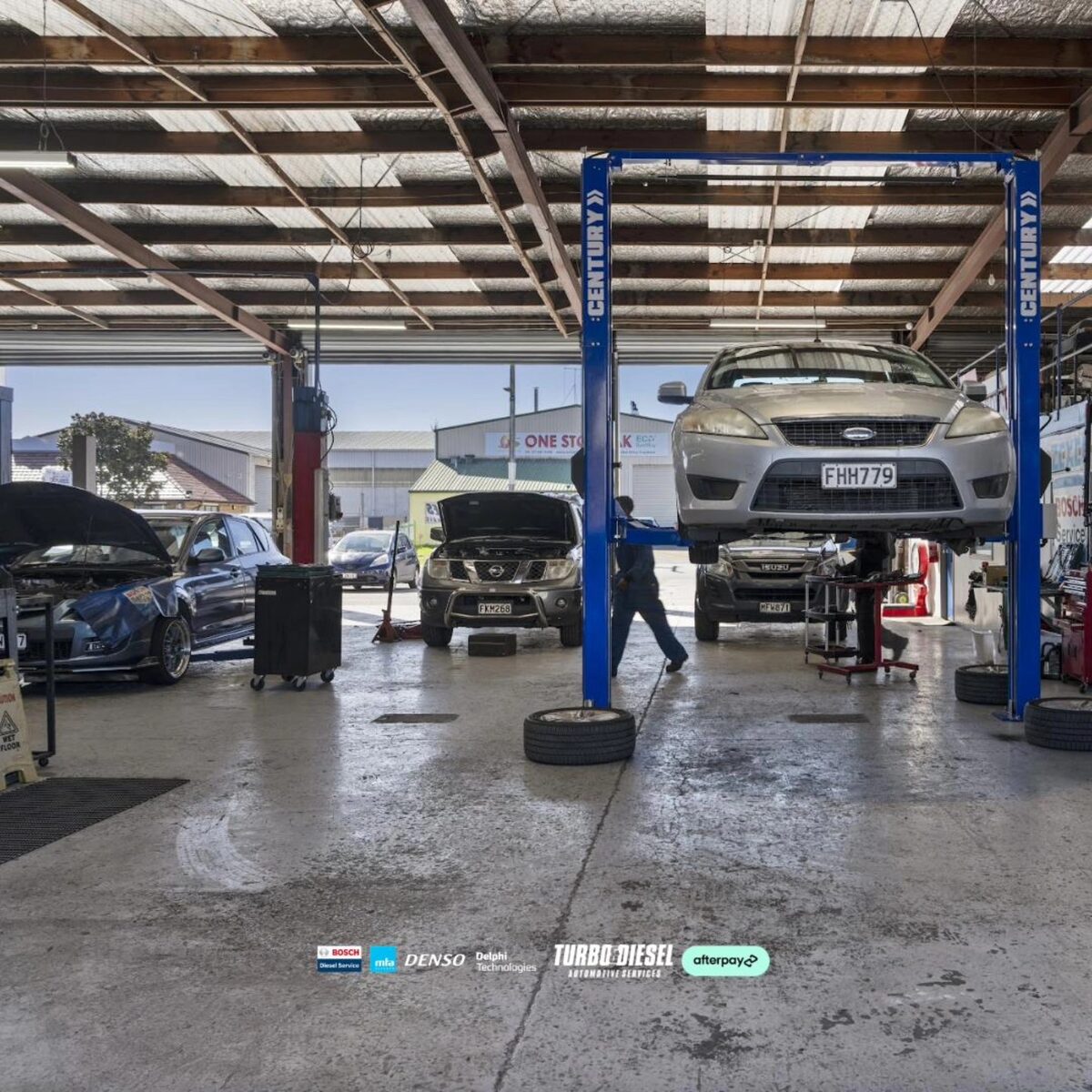
Real photos from the floor on Kahikatea Drive. Same team, same hoists, same standards on every job, from a quick check through to a full strip-down.







What you get when you book this service
12 checks performed on every visit
- Check of your engine and service history to confirm whether it runs a cambelt or a timing chain
- Manufacturer interval lookup by engine and build date so the belt is replaced at the right kilometres or age
- Genuine or OEM-spec timing belt kit fitted, not a belt-only shortcut
- Tensioner and idler pulleys replaced with the belt, since a seized pulley destroys a new belt
- Water pump replacement where it is driven by or sits behind the timing belt, done now while the covers are off
- Cam and crank timing marks aligned and double-checked before the engine is turned over
- Belt tension set to specification with the correct tool, not by feel
- Front crank seal and cam seals inspected for leaks that would contaminate a new belt
- Auxiliary drive belt inspected and replaced if worn while access is easy
- Coolant drained and refilled, bled and pressure checked where the water pump was replaced
- Engine run up and checked for correct timing, leaks and warning lights
- New interval sticker and a written record of what was fitted and the next due point
Want cambelt & timing belt replacement done right?
Phone the workshop or send a quick form, whichever suits you. We come back with a clear next step.
4.7 from 50 Google reviews 20+ years 10,000+ vehicles serviced
Why Hamilton trusts us with cambelt & timing belt replacement
-
Interval, not guesswork
We confirm the exact replacement interval for your engine and build date, in kilometres and years, so the belt is changed before it is at risk, not on a rough guess.
-
The whole kit, not just the belt
A belt-only job is a false economy. The tensioner, idlers and, where it is belt-driven, the water pump all wear on the same clock, so we replace them together while the covers are already off.
-
We tell you if it is actually a chain
Many modern engines use a timing chain that is not on a replacement schedule at all. We check first, and if yours has a chain we will tell you rather than sell you a belt you do not need.
-
Petrol and diesel, utes and cars
From small petrol fours to common-rail diesel utes, we know which engines are interference designs where a snapped belt bends valves, and we treat those with the care they need.
-
Twenty years on Kahikatea Drive
An MTA workshop that has been doing engine and timing work for the Waikato for over twenty years, with the same team and the same standards.
Simple, transparent process
- 01
Confirm belt or chain, and the interval
We check your engine, build date and service history to confirm it runs a cambelt rather than a chain, and look up the manufacturer replacement interval in both kilometres and years so we can tell you honestly whether it is due.
- 02
Quote the full kit
We quote the belt, tensioner, idlers and, where it applies, the water pump and coolant together, so you see the real job up front rather than a cheap belt-only price that leaves the worn parts in place.
- 03
Replace with the covers off
The timing covers come off, the old belt and pulleys come out, and the new kit goes in with the cam and crank timing marks aligned and belt tension set to specification with the correct tool.
- 04
Replace what is due while we are in there
Cam and crank seals, the water pump and the auxiliary belt are all easiest to reach now. We replace what is leaking or due and flag anything else so the labour is not spent twice.
- 05
Verify and record
The engine is run up and checked for correct timing, leaks and warning lights, the cooling system is bled where needed, and you leave with a new interval sticker and a written record of what was fitted and when the next one is due.
Everything you should know about cambelt & timing belt replacement
A workshop perspective on what's involved, how we run the job, and what shapes the final cost.
Why cambelt replacement in Hamilton is about timing, not luck
A cambelt, or timing belt, keeps the top and bottom halves of your engine turning in perfect step. It drives the camshafts from the crankshaft so the valves open and close at exactly the right moment relative to the pistons. It is a toothed rubber belt, and rubber has a service life, which is why manufacturers set a firm replacement interval in both kilometres and years.
The reason that interval is not optional comes down to two words: interference engine. On most modern petrol and diesel engines, if the belt snaps or jumps teeth, the pistons and valves try to occupy the same space at the same time. Valves bend, the cylinder head is damaged, and sometimes the pistons go too. A routine belt change that might have been a few hundred dollars becomes a major engine repair.
That is the whole case for replacing a cambelt on schedule rather than waiting for a symptom. Belts rarely warn you before they fail. Doing it at the right interval is one of the cheapest ways to protect an engine from catastrophic damage.
What our cambelt and timing belt work covers
First, we confirm you actually need it. Not every engine has a belt. Many newer engines use a timing chain that runs in oil and is not on a replacement schedule at all. Before quoting anything we check your engine code and build date, and if yours is a chain we tell you so.
- Engine and build-date check to confirm belt versus chain
- Manufacturer interval looked up in kilometres and years
- Honest read on whether you are due, close, or fine for now
The full kit, not just the belt. The tensioner and idler pulleys spin every time the engine runs, and on many engines the water pump is driven by the timing belt too. All of them wear on the same clock as the belt. Replacing the belt alone and leaving a tired tensioner or pump in place is a false economy, because if either fails it takes the new belt with it.
- Genuine or OEM-spec timing belt kit
- Tensioner and idler pulleys replaced with the belt
- Water pump replaced where it is belt-driven
- Cam and crank seals inspected, replaced if leaking
- Auxiliary drive belt checked and replaced if worn
Timing set properly. With the new kit in, the cam and crank timing marks are aligned and double-checked before the engine is turned over, and belt tension is set to specification with the correct tool rather than by feel. On a timing job there is no room for close enough.
Petrol and diesel. We handle both, from small petrol fours to common-rail diesel utes and 4WDs. Diesel timing components carry higher loads, so the parts and procedure differ, which is where engine-specific experience earns its keep.
How a cambelt job works at our Frankton workshop
Phone (07) 847 3339 with your vehicle and its kilometres, or mention it at your next service. We check whether your engine runs a belt or a chain and, if it is a belt, look up the interval and tell you honestly whether it is due. There is no point replacing a belt that has years left, and no sense running one that is overdue.
If it is due, we quote the full job, the belt, tensioner, idlers, and the water pump and coolant where they apply, so you see the real cost up front rather than a belt-only price that leaves the worn parts behind. Once you approve it, the timing covers come off, the new kit goes in, timing and tension are set to specification, and anything else that is leaking or due at the front of the engine is dealt with while access is easy.
The engine is run up and checked for correct timing, leaks and warning lights before you collect it. You leave with a new interval sticker and a written record of what was fitted and the next due point, so the timing belt never becomes a question mark again.
What affects the cost of a cambelt replacement
Timing belt prices vary more than people expect, because the belt itself is a small part of the job and the labour to reach it differs a lot between engines:
- Engine type - a small petrol four is quicker to reach than a V6 or a diesel, which affects the hours
- What is in the kit - a belt and tensioner is less than a job that also includes a belt-driven water pump and coolant
- Access - some engines need more components removed to reach the covers than others
- Parts grade - genuine versus quality OEM-spec kits, matched to your engine
- Seals - a leaking cam or crank seal found during the job is far cheaper to replace now than later
Across New Zealand, a cambelt replacement typically costs between $400 and $1,200, with diesels, V6s and water-pump jobs at the higher end. The exact figure depends on your vehicle, so call (07) 847 3339 or use the contact form for a quote for your engine.
Hamilton and Waikato coverage
Our workshop is on Kahikatea Drive in Frankton, three minutes from the Hamilton ring road. Cambelt and timing work comes to us from across the wider Waikato: family cars and daily-driver utes from Hillcrest, Rototuna, Te Rapa and Chartwell, and from Cambridge, Te Awamutu, Morrinsville, Huntly, Ngaruawahia and out toward Raglan, along with fleet vehicles whose owners plan belt changes ahead rather than risk a roadside failure.
Most cambelt jobs are done within a day. The workshop is open Monday to Friday, 7:30 AM to 4:30 PM. If you are near or past the interval, or you have bought a used car with no belt history, call (07) 847 3339 and we will confirm what your engine needs.
Last reviewed and updated
Common Questions
Everything you might want to know before booking.
How often should a cambelt be replaced?
It depends on the engine, but most manufacturers specify a timing belt change somewhere between 90,000 and 150,000 km, or every five to ten years, whichever comes first. The age limit matters as much as the kilometres, because rubber perishes over time even on a low-mileage car. We look up the exact figure for your engine and build date and tell you honestly whether you are due, close, or fine for now.
How much does it cost to replace a cambelt in NZ?
It varies with the engine and how much is replaced alongside the belt. Across New Zealand, a cambelt replacement typically costs between $400 and $1,200, with diesel and V6 engines at the higher end and jobs that include the water pump costing more than a belt-and-tensioner change. The exact price depends on your vehicle, so call (07) 847 3339 or use the contact form for a quote.
What happens if a cambelt breaks while driving?
On an interference engine, which most modern engines are, a snapped timing belt lets the pistons hit the open valves, bending valves and sometimes damaging pistons and the cylinder head. That turns a routine belt change into a major engine repair costing several times as much. This is exactly why the belt is replaced on a schedule rather than run until it fails.
Should the water pump be replaced with the cambelt?
If your water pump is driven by or sits behind the timing belt, yes. It is already exposed once the covers are off, so replacing it now costs only the part rather than a second lot of labour later, and a pump that fails after a fresh belt can wreck that belt. We will tell you whether your engine's pump is belt-driven and quote it either way.
What are the signs of a failing timing belt?
Timing belts often give little warning, which is why interval replacement matters, but signs can include a ticking or rubbing noise from the front of the engine, a rough idle or misfire, oil or coolant leaking onto the belt, or visible cracking and glazing if the cover is off. If you notice any of these, or you have passed the interval, have it checked before it lets go rather than after.
How much is a timing belt for a Hilux?
It depends which Hilux. Some Hilux engines use a timing belt on the usual replacement interval, while many of the more recent diesel Hilux engines actually run a timing chain that is not on a scheduled change at all. We check your exact model and engine first, then tell you whether it needs a belt and what that costs for your vehicle. Call (07) 847 3339 and we will confirm it.
Is replacing a cambelt a big job?
It is a proper mechanical job that takes several hours, because the timing covers, auxiliary belts and often other front-of-engine components have to come off to reach the belt. It is not a major repair like a head gasket, and on most engines it is a same-day or next-day job, but it does need to be done carefully and correctly because the engine timing depends on it.
How do I know if my car has a cambelt or a timing chain?
You often cannot tell from the driver's seat, and the two are serviced very differently: a belt is replaced on a schedule, a chain generally is not unless it is worn or noisy. We identify which your engine uses from the engine code and build date. If it is a chain, we will say so and save you an unnecessary job.
Related services
Need cambelt & timing belt replacement?
Get a free quote, phone or form, whichever's easier.
4.7 from 50 Google reviews 20+ years 10,000+ vehicles serviced